IoT enclosures must hold RF, sealing, and assembly at once.
2026
Client
BrahmWorks Insights
The Challenge
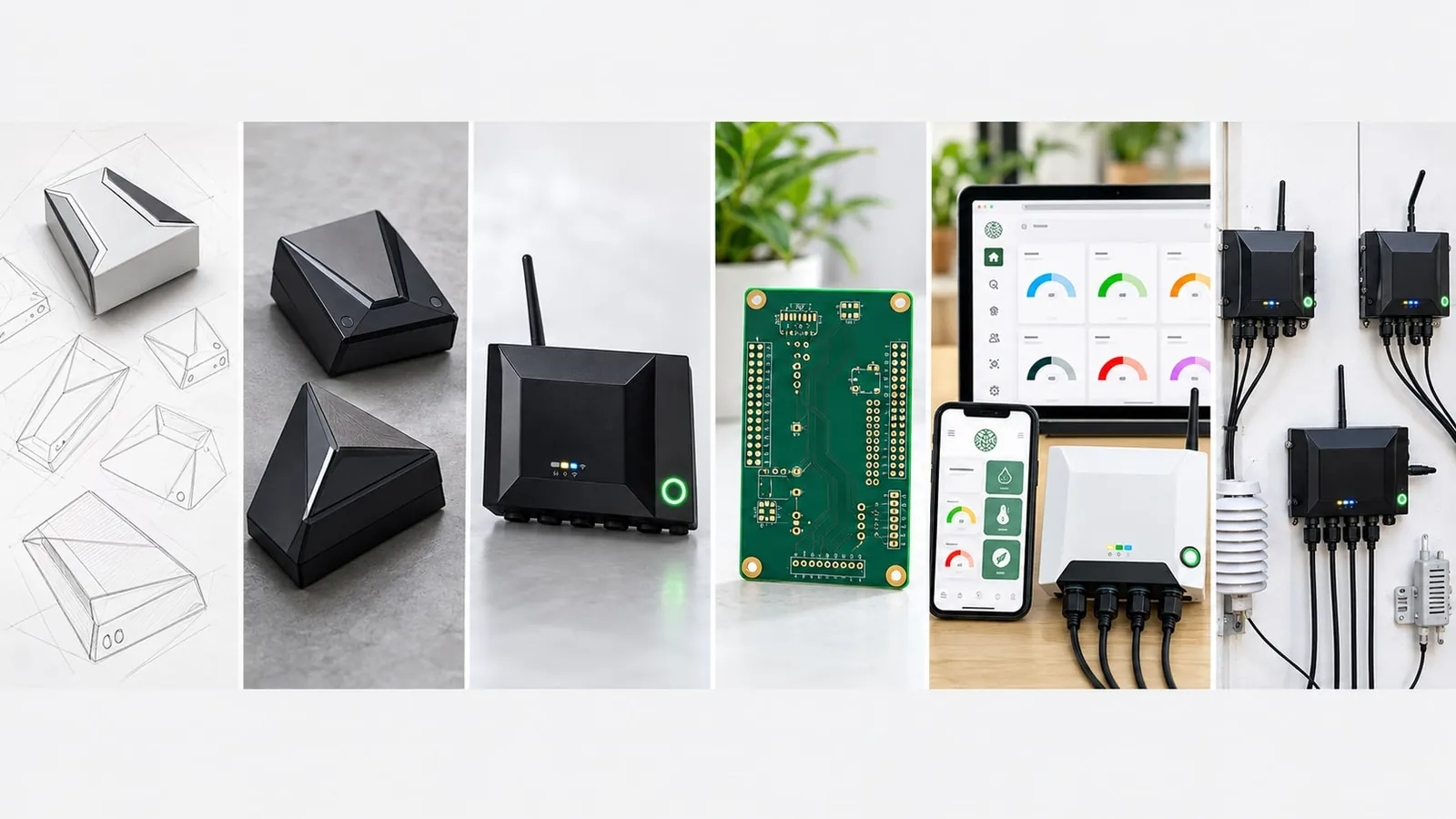
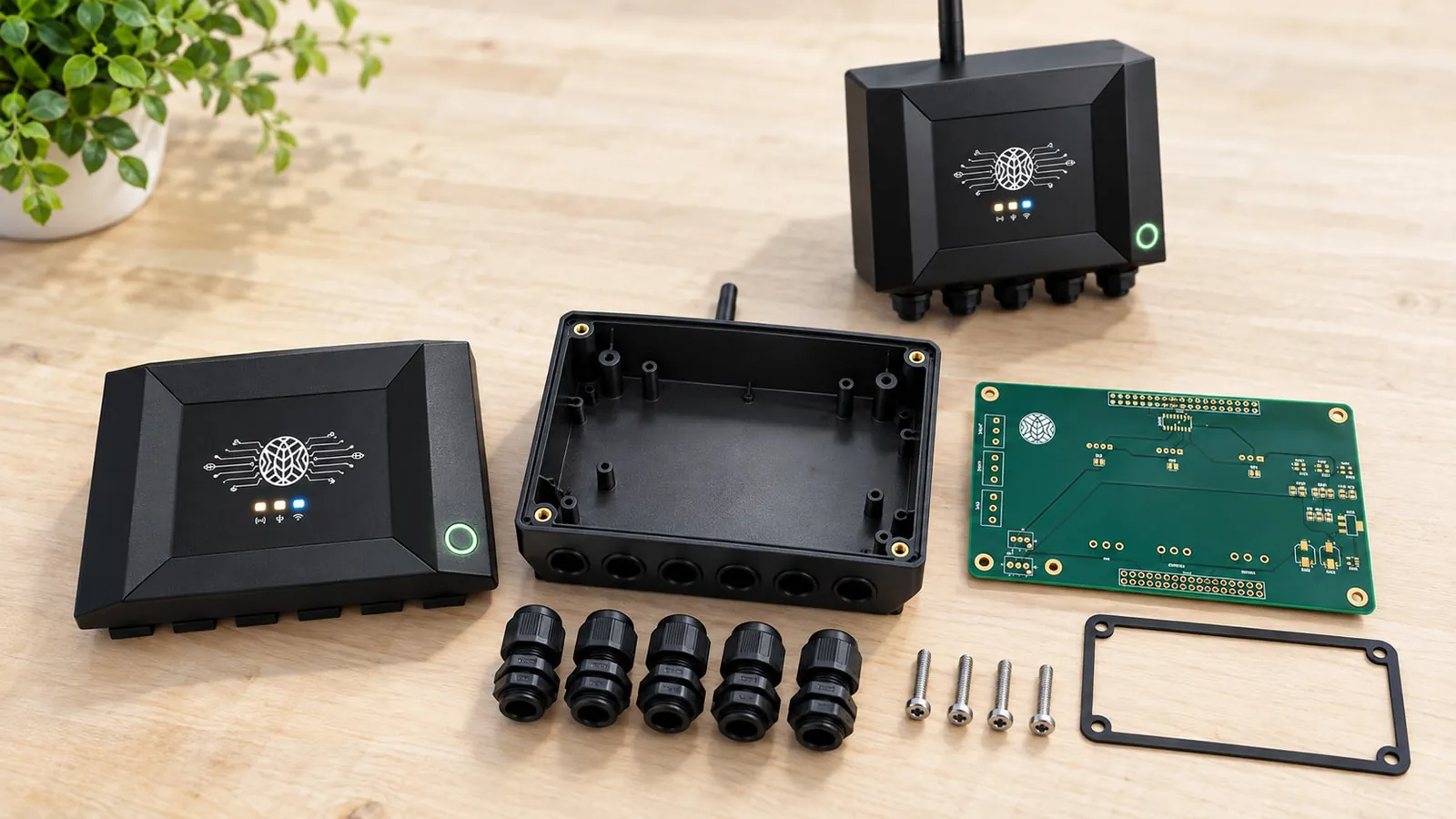
Design it as part of the radio, the power source and the seal, not as a shell drawn around a finished board. Plastic or metal in front of the antenna, a cell next to a keep-out, a gasket with no hard stop, and a programming header buried under a lid are enclosure decisions. They decide whether the product connects, whether it can be built twice, and whether a claimed environment is even testable.
The gasket arithmetic below is hypothetical teaching maths. It is not a seal rating, not an ingress result and not a BrahmWorks test. An ingress mark on a drawing is a wish until a named build is tested to a named method.
IoT Enclosures
What we did
Industry
Mechanical
Description
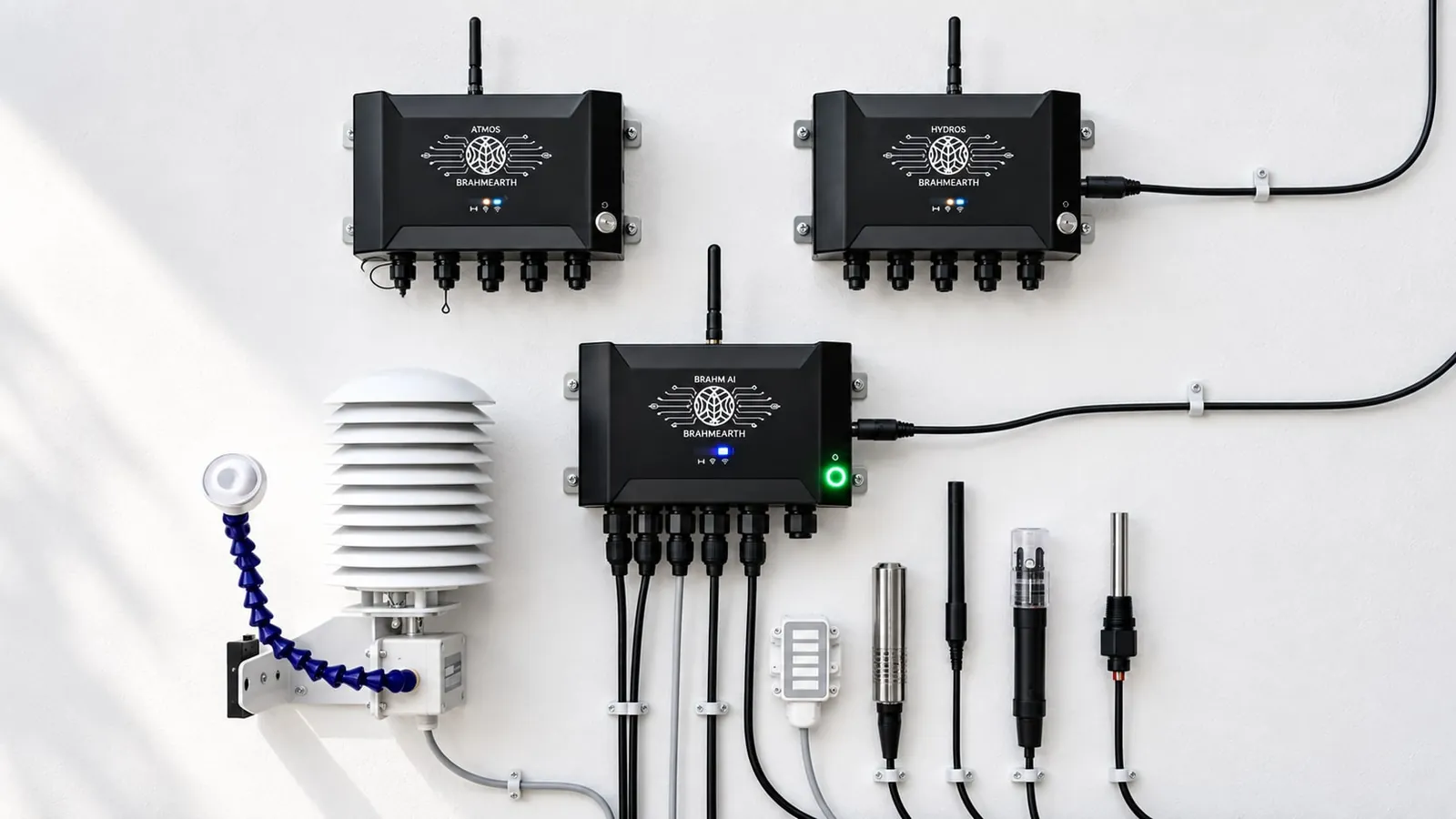
This Insights guide explains IoT Enclosures for founders and engineering teams building hardware that must be manufactured, tested, and handed off. The gasket arithmetic below is hypothetical teaching maths. It is not a seal rating, not an ingress result and not a BrahmWorks test. It also covers the antenna is a mechanical feature; cells, doors and swelling; seals, vents and condensation.
The Outcome
Antenna keep-out is a volume on the assembly, including screws, cell, cables and coatings. The lid-on, cell-in configuration is the one that must connect. Lid-off does not count. Metal, paint and filled resin are marked as conductive or not.
“Design it as part of the radio, the power source and the seal, not as a shell drawn around a finished board.”
BrahmWorksHardware practice note
Explore More
Explore More
Explore More
Explore More
How to Reduce PCB Manufacturing Cost
How to Reduce PCB Manufacturing Cost
The Difference Between Industrial Design and Product Engineering
The Difference Between Industrial Design and Product Engineering
Ready to take the next step in your product development journey?
Connect
Contact Us
© 2026. Built with ♥️ in Bengaluru.