Field Robots for Solar and Farm Sites: Ruggedising and Cost-Down
A field robot that works in a demo still has to survive dust, sun, water and the people who maintain it.
2026
Client
BrahmWorks Insights
From working prototype to field-ready robot
Solar panel cleaning robots and farm rovers often reach a working prototype quickly. The harder stage comes next: making the robot survive months outdoors, making it cheaper to build, and making it maintainable by field technicians. That stage is mostly mechanical, electrical and manufacturing engineering, not new algorithms. It sits between special-purpose machine development and product engineering.
Know the site
- Surface and terrain: panel rows and gaps, slopes, mud, crop rows, stones.
- Environment: dust, sand, UV, rain, heat, humidity and washing water.
- Operating model: autonomous, remote-controlled or operator-moved; how robots move between rows or plots.
- Maintenance: who services them, with what tools, and how often.
Ruggedising checklist
- Sealing: motors, bearings, connectors and electronics enclosures sealed against dust and water, with defined gasket compression and drainage.
- Drive train: wheels, tracks, belts and gearboxes sized for the real duty cycle and debris, not the clean test track.
- Materials: UV-stable plastics, corrosion-resistant fasteners and coatings, and brushes or tools that don’t damage the surface they work on.
- Electronics: protection against heat, vibration and ESD; enclosures designed around antennas and service access.
- Power: battery sizing and charging approach (solar, docking or swap) checked at the hottest and coldest site conditions; see power management in connected hardware.
Cost-down without losing reliability
Commercial versions of prototype robots usually get cheaper by:
- replacing machined parts with sheet metal, extrusions or moulded parts where volume allows
- reducing part count and fastener variety
- choosing standard motors, bearings and sensors with multiple suppliers
- consolidating electronics onto fewer boards
- reviewing the bill of materials line by line (how to reduce BOM cost)
Each change should be checked against the failure modes it might introduce. Our DFM and DFA reviews and reduce manufacturing cost through mechanical design guide explain the approach.
Test in the field, then build a pilot fleet
Accelerated tests on the bench (dust, spray, thermal cycling, long-run drive tests) catch obvious problems. Field trials catch the rest. A small pilot fleet built with production processes shows whether assembly, testing and servicing work at scale; see prototype to pilot production and mechanical reliability testing.
FAQs
Should we redesign from scratch for production?
Usually not. Keep the architecture that works and redesign the parts that are expensive, fragile or hard to service.
What fails first in the field?
Commonly seals, bearings, connectors and cable routing. Design and test those first.
Have a field robot that needs to become a product? Contact us for a ruggedising and cost-down review.
Related articles

How to Reduce Manufacturing Cost Through Mechanical Design
How to Reduce Manufacturing Cost Through Mechanical Design

Tolerance Stack-Up Explained for Product Engineers
Tolerance Stack-Up Explained for Product Engineers
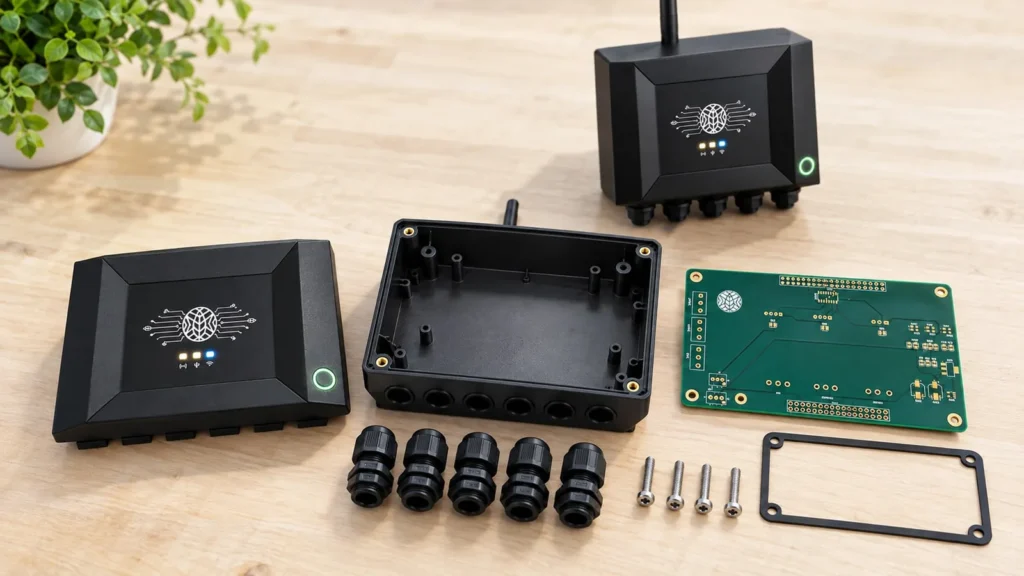
Mechanical Reliability Testing
Mechanical Reliability Testing
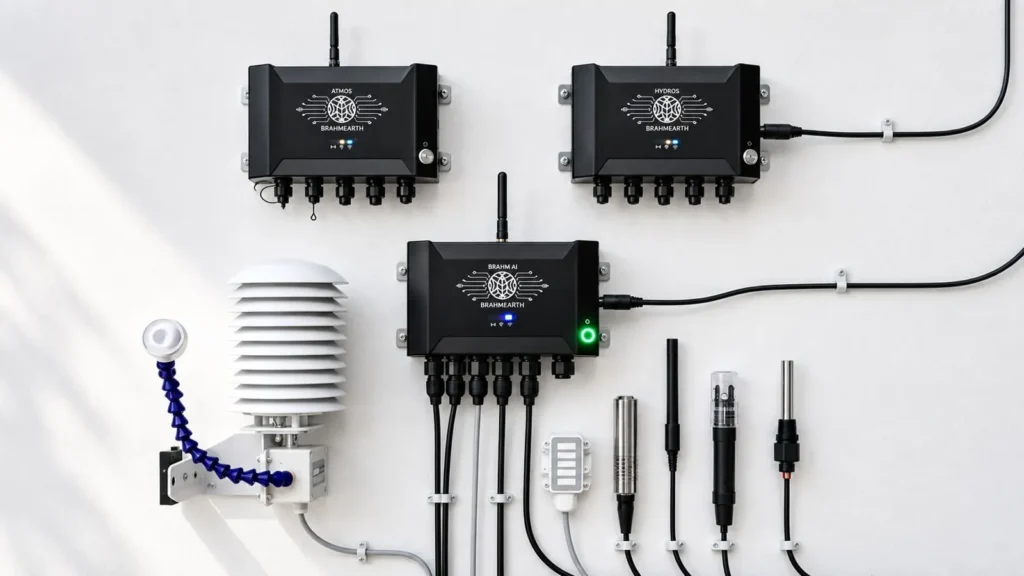
Choosing Materials for a Hardware Product
Choosing Materials for a Hardware Product
Ready to take the next step in your product development journey?
Connect
Contact Us
© 2026. Built with ♥️ in Bengaluru.