Designing Battery-Powered Field Sensors and Data Loggers
A field sensor fails on the seal, the battery or the connector long before it fails on the radio.
2026
Client
BrahmWorks Insights
What makes a field sensor different from a lab prototype?
Farm plots, cold rooms, water tanks, pools and industrial yards all ask for the same kind of product: a small, battery-powered box that measures something, logs it, and sends it somewhere without anyone visiting it for a long time. A development kit on a bench can do the measuring. The hard part is everything around it: the seal, the power budget, the sensor input, the radio inside an enclosure, and building the second hundred units the same way as the first ten.
This guide covers how we’d approach that full device. For the board side, see electronics design; for farm-specific hardware, see IoT hardware for agriculture.
Write the field brief first
- Environment: sun, rain, dust, condensation, chemicals, temperature swings, mounting and handling.
- Measurement: what is sensed, required accuracy and resolution, sample rate and how readings are validated.
- Data path: local logging only, or a radio such as LoRa, cellular, Wi-Fi or Bluetooth, and what happens when the link is down.
- Service model: who changes the battery, how often someone can realistically visit, and how a unit is configured or updated.
- Volume: a pilot batch has different tooling and test decisions from a production run.
Power budget before parts list
Battery life is decided by sleep current, wake time and radio airtime, not by the battery’s capacity alone. List every state the device is in (sleep, sense, log, transmit, retry), estimate current and duration for each, and add it up per day. Then check the cell’s behaviour at the cold and hot ends of your environment, because usable capacity and peak current change with temperature. We cover the details in power management in connected hardware.
Practical rules: power sensors down between readings, batch transmissions, avoid regulators with high quiescent current, and measure real current on a prototype instead of trusting datasheet sleep figures.
Sensor inputs that survive cables and noise
Thermocouples, analog probes, flow and level sensors often sit at the end of a cable. That cable brings noise, ESD and the chance of being connected wrong. Plan input protection, filtering, cold-junction compensation where relevant, and a calibration step in production. Decide early whether probes are sealed into the product or plugged in, because a field connector is often the weakest point of the seal.
The enclosure is part of the electronics
The enclosure decides whether the radio works, whether water gets in, and whether the battery can be changed. Keep metal and the battery away from the antenna keep-out, use a gasket with a defined compression stop, add a vent membrane if pressure or condensation is a risk, and design cable glands and connectors as sealed features. Any ingress rating is a target until a built unit is tested to the named method. See designing enclosures for IoT devices.
Two device types, one architecture
Many field systems need more than one device, for example a sensor node plus a valve or relay controller. Sharing one board family, firmware base and enclosure family reduces design, certification and spares effort. The controller usually needs more power and a safe default state if the link or battery fails; design that failure behaviour on purpose.
Pilot batches: test, calibrate, trace
Between ten prototypes and a production run sits the pilot batch. Plan for:
- a programming and test fixture, so every unit is flashed and checked the same way
- a calibration record per unit where accuracy matters
- serial numbers and a log of which firmware and parts went into each unit
- electronics testing before production and a short field trial before scaling
Prototype to pilot production explains how this batch de-risks the next one.
FAQs
LoRa, cellular or Bluetooth?
It depends on range, data volume, infrastructure on site and running costs. Many field loggers start with local logging plus one low-power radio.
How long will the battery last?
Only a power budget and a measured prototype can tell you. We avoid quoting battery life before both exist.
Can we use an off-the-shelf enclosure?
Often, for a pilot. Check antenna placement, gland positions and service access before committing.
Building a sensor or logger for the field? Talk to us about the brief, power budget and pilot plan.
Related articles
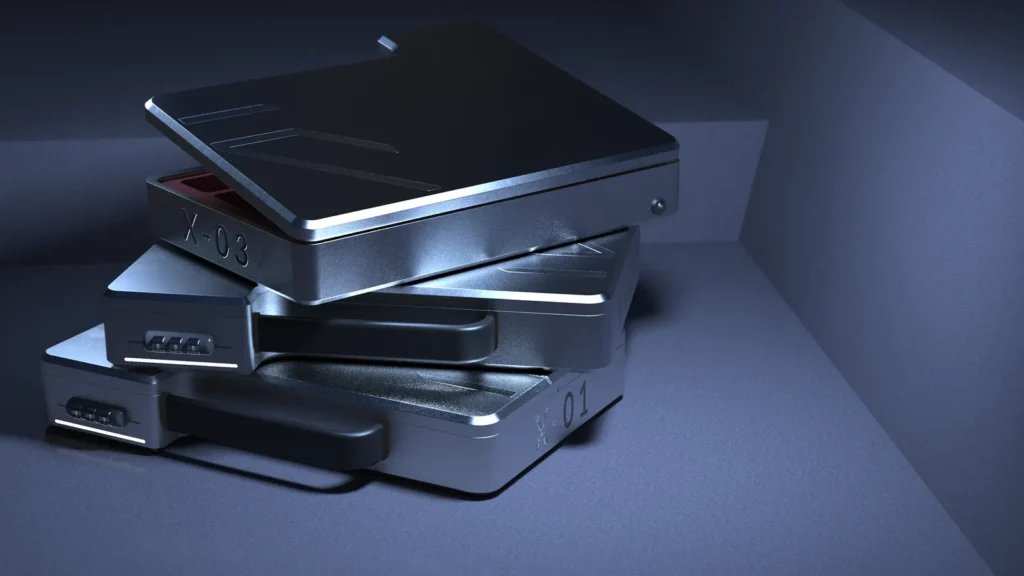
Power Management in Connected Hardware
Power Management in Connected Hardware

PCB Prototyping vs Production PCB
PCB Prototyping vs Production PCB
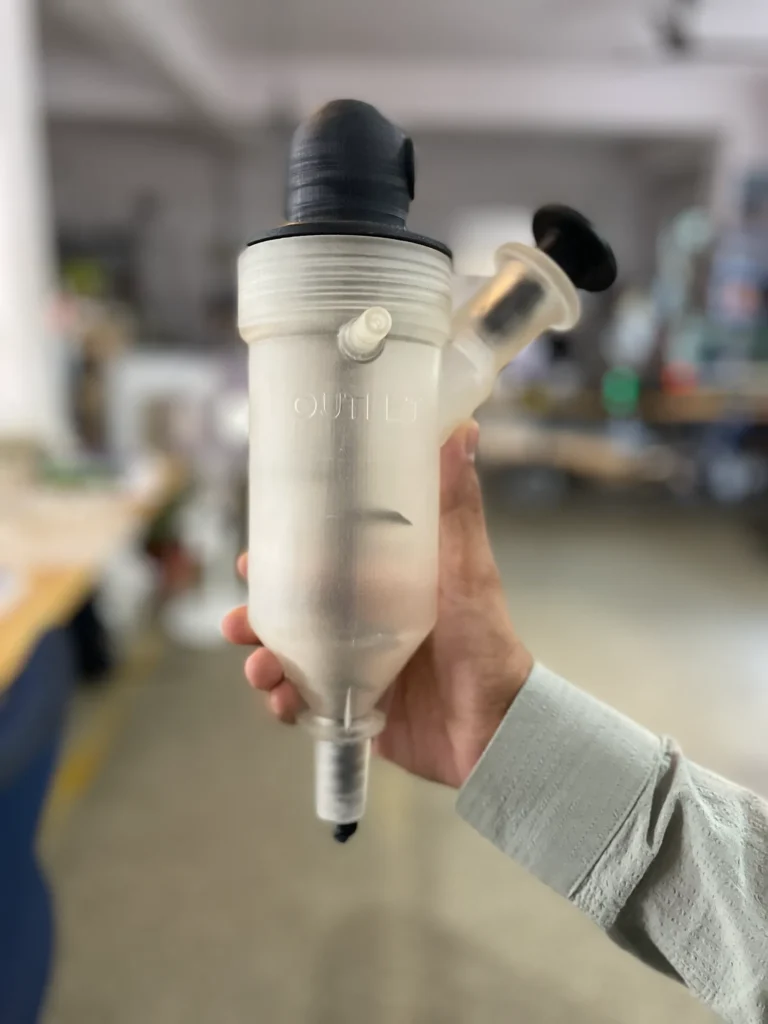
Hardware Bring-Up: What Happens After PCB Assembly?
Hardware Bring-Up: What Happens After PCB Assembly?
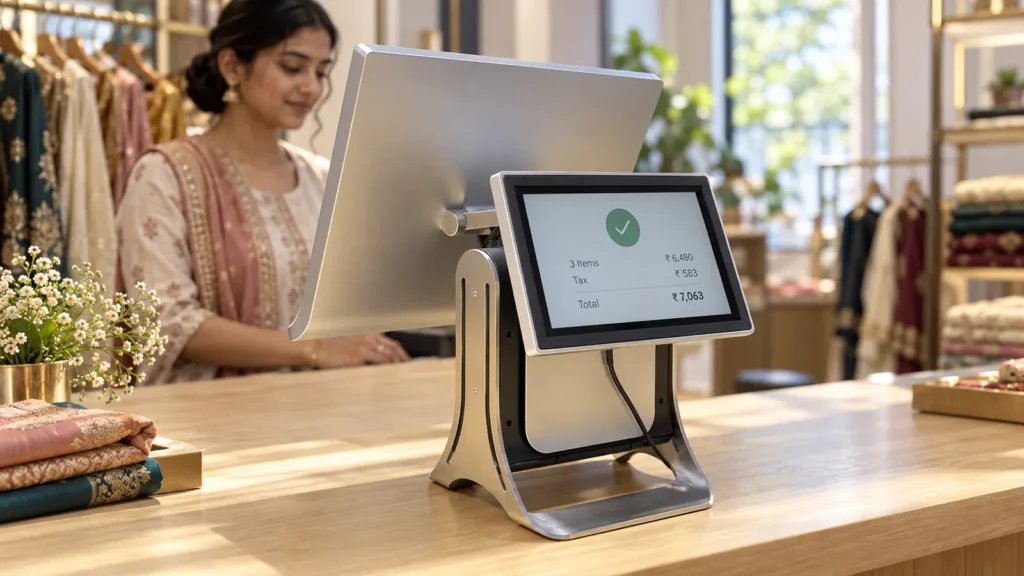
Electronics Testing Before Mass Production
Electronics Testing Before Mass Production
Ready to take the next step in your product development journey?
Connect
Contact Us
© 2026. Built with ♥️ in Bengaluru.